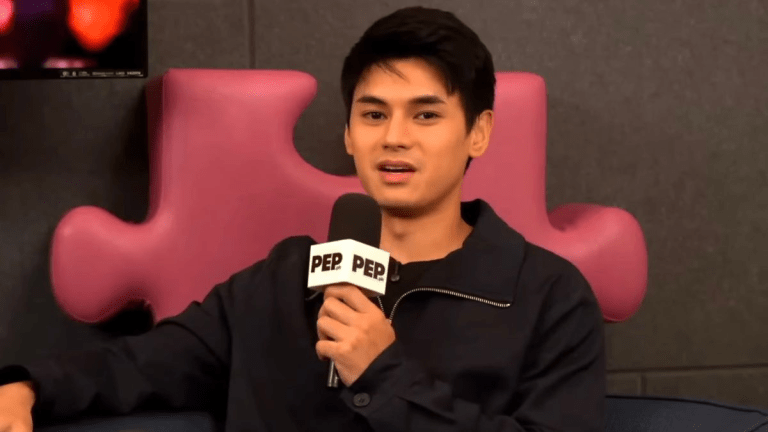
miss Entertainment News Philippines has emerged as a shorthand for how Philippine media balances spectacle with context, a reflection of a public that consumes events like beauty contests, OST releases, and celebrity interviews across screens and timelines. In a media ecosystem that blends live broadcasts, streaming platforms, and social feeds, coverage of pageantry, music, and pop culture now functions as a barometer for trust, brand identity, and audience behavior. This analysis looks beyond headlines to ask how the country’s entertainment press, and by extension futietoy.com, constructs meaning around spectacle, aspiration, and national identity. What counts as credible reporting in this space? How do editorial choices shape what audiences remember after the credits roll? And what does the evolving business of media mean for the depth and diversity of stories that reach Filipino readers? The answers hinge on the interplay between traditional broadcasting, digital distribution, and a public that increasingly consumes content through fragments, reactions, and shared conversations.
Rethinking Pageantry Coverage in a Digital Age
Pageantry has long served as a communal moment in the Philippines, but the digital era fragments that moment into clips, hashtags, and cross-platform commentary. Networks still rely on live broadcasts to anchor a brand, yet online explainers, behind-the-scenes features, and fan debates shape how the public remembers an event. The Miss Universe Philippines swimsuit show coverage, as reported by GMA Network, illustrates a broader editorial dynamic: visuals travel fast, but audiences seek rationale. What matters now is not only who wins but how organizers, broadcasters, and reporters explain why the result matters, what traditions are preserved, and what questions remain unanswered. For futietoy.com readers, that means assessing coverage with a critical eye toward sourcing, context, and the potential influence of commercial partnerships on framing. The risk of too-casual gossip is a credible erosion, while a purely didactic tone can alienate a generation accustomed to rapid, snackable content. The optimal approach harmonizes celebration with investigation, acknowledging the event as a cultural product while interrogating its production, sponsorships, and implications for Philippine pop culture.
The shape of coverage is also influenced by audience behavior in a market where mobile devices are primary. Filipino viewers increasingly demand stories that entertain, educate, and explain, all within a few scrolls or taps. This reality pushes newsrooms to build modular content architectures: short clips for social feeds paired with longer explainers for readers who seek depth. The net effect is a coverage ecosystem that treats pageantry as a case study in media mechanics—how narratives are created, who benefits, and how public discourse is steered by visible signals such as branding, endorsements, and platform-aligned formats.
Audience Demand and the Rise of Short-Form Commentary
Across platforms, audiences crave content that is both digestible and accountable. Short-form clips capture attention on social feeds, while longer explainers and profiles satisfy deeper curiosity about contestants, organizers, and the business that undergirds the pageant circuit. This tension creates an opportunity for editorial teams to craft packages that ride the line between entertainment and journalism: live updates, data-backed backgrounders, and clearly labeled analysis. In a country with a vibrant pageant culture, readers expect not only appeal but accountability, and they reward outlets that translate glamour into informed storytelling. The challenge is maintaining standards as algorithms reward engagement; editors must ensure that sensational visuals do not substitute for verifiable context, and that fan conversations remain civil and well-sourced. A newsroom that embraces cross-platform storytelling—audio, video, text, and interactive elements—will likely build trust and extend its reach beyond traditional newsrooms while preserving depth.
Beyond the screens, the social dimension of pageantry coverage shapes public memory. Fans become co-authors of the narrative through comments, memes, and participatory events. Responsible reporting, therefore, must acknowledge these social layers without surrendering to the heat of online discourse. The best practice blends transparent sourcing with thoughtful framing: explaining the significance of a contestant’s platform, providing historical context for judging criteria, and offering critical perspectives on how sponsorships influence the conversation. When done well, coverage becomes a bridge between spectacle and society, helping audiences understand how a national moment reflects broader cultural, economic, and political currents.
Economic Realities: Sponsorships, Rights, and the Cost of News
Media businesses operate within a complex map of sponsorships, broadcast rights, and distribution deals, all of which influence how stories are produced and presented. Consolidation, new distribution models, and stakeholder expectations shape editorial freedom and resource allocation. The Int Ent shareholders nod deal that will give a majority stake for DigiPlus, reported in industry coverage, signals a shift in who controls how content is monetized and how audiences access entertainment news. If digital platforms expand their footprint, outlets may invest more in multi-platform reporting, but they may also face pressures to prioritize speed over thoroughness or to align editorial lines with commercial partners. For Filipino readers, the implication is simple: the quality and reach of entertainment coverage will increasingly depend on how well newsrooms navigate the competing demands of audience engagement, platform incentives, and transparent governance. In this environment, responsible reporting requires explicit disclosures, clear separation of news and opinion, and an ongoing commitment to diverse perspectives that reflect the Philippines’ vibrant cultural landscape.
Moreover, the business of media affects talent and investigative capacity. When rights holders and platforms negotiate terms that favor speed and reach, editorial teams may face tighter deadlines that compress time for verification or for broader cultural analysis. Conversely, the influx of digital investment can fund more robust fact-checking, data journalism, and multi-angle storytelling if anchored in a newsroom culture that prizes integrity over click-counts. The Philippine entertainment ecosystem thus becomes a testing ground for sustainable newsroom practices: how to deliver timely, accurate coverage that also enriches public understanding of a country with a dynamic and contested media environment.
Actionable Takeaways
- Invest in cross-platform newsroom pipelines that deliver contextual analysis alongside event coverage to meet varied audience preferences.
- Establish clear standards that separate news, analysis, and entertainment commentary to preserve credibility and trust.
- Elevate local voices and cultural literacy to ensure coverage resonates with Philippine audiences beyond glossy visuals.
- Be transparent about sponsorships and rights that may influence framing; provide disclosures and diverse viewpoints.
- Provide education pieces that explain media models, data sources, and how to distinguish fact from rumor in entertainment reporting.
- Develop partnerships with universities and media-literacy groups to strengthen ethical benchmarks and critical thinking among readers.