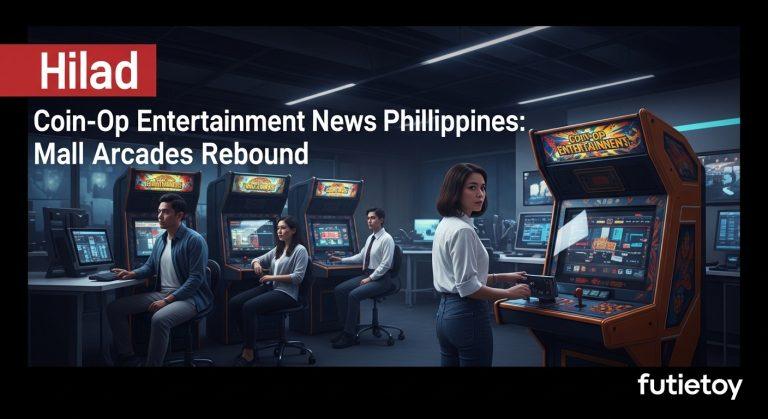

Across the Philippines, mall corridors now hum with the steady clack of tokens and the glow of LED cabinets, as coin-op Entertainment News Philippines tracks a cautious revival of arcade culture. After years of disruption, operators and shoppers alike are rediscovering coin-operated amusements as a practical, social form of entertainment that fits into busy urban lives, affordable budgets, and family-centered outings.
The rebound of coin-operated amusements in Philippine malls
In major urban centers, arcade clusters are once again turning into reliable waypoints for casual socializing. Operators report higher turnover where layouts couple multifamily entertainment zones with adjacent food and retail corridors. The appeal is multi-faceted: quick play cycles keep queues moving, a broad mix of titles—from retro cabinets to contemporary skill-based machines—draw different age groups, and the overall price point remains accessible for families and students. This dynamic makes coin-operated amusements less about isolated novelty and more about a repeatable, sharable experience that complements other mall offerings.
What sets the current wave apart is the integration of modern game content with familiar formats. Machines increasingly feature networked leaderboards, digital tickets, and loyalty tie-ins that encourage repeat visits. Operators emphasize throughput: a single terminal can entertain dozens of users per hour, a critical factor in the high-foot-traffic environment of Philippine malls. In this context, arcade spaces function as both a social equalizer and a micro-ecosystem for ancillary commerce, with beverage kiosks, snack counters, and nearby retailers benefiting from extended dwell time.
Economic and social drivers shaping family entertainment centers
The revival comes at a moment when urban families seek affordable, intrinsically social experiences. Demographically, a large cohort of young families and teens in the Philippines is increasingly oriented toward shared, screen-based activities that do not require long-term commitments or expensive equipment. Coin-operated amusements offer a perceived value proposition: predictable costs, a variety of game formats, and the chance to socialize in a physical space, which many consumers still equate with leisure legitimacy and safety. Operators are also tuning their strategies to align with mall tenants’ needs—creating cohesive zones that blend gaming with food, retail, and micro-entertainment, thereby boosting overall foot traffic and dwell time.
Beyond consumer demand, the supply side is adapting through tiered pricing, flexible durations, and family-oriented packages. Some venues experiment with timed access or bundled credits to smooth cash flow and incentivize longer stays. This “more for more” logic helps operators monetize peak periods while remaining accessible during off-peak hours. Local feedback loops—gathered through loyalty programs and on-site staff interactions—shape what kinds of titles stay on the floor, which generate the most tickets, and how often new content refreshes appear. In short, coin-op spaces are becoming a flexible, operationally tuned component of the broader Philippines entertainment economy rather than a static relic of arcade nostalgia.
Technology, gamification, and ownership models
Technology is no longer an afterthought in coin-operated venues. The newest generation of machines blends physical controls with digital ecosystems: card or app-based credits, QR-enabled promotions, and cloud-enabled performance tracking. Operators are leveraging these features to foster ongoing engagement, from weekly tournaments to seasonal leaderboards that reward repeat players with discounts and merchandise redemptions. This gamification helps normalize repeat visits, while data collection enables more precise game mix decisions, price point testing, and marketing segmentation. In addition, the evolution of payment methods—from coins to tokens, to digital wallets—makes the experience easier for younger audiences who navigate cashless options in daily life, while still preserving the tactile appeal of a physical arcade for older players.
Ownership models are also shifting, with some operators adopting franchising approaches or shared-platform partnerships that reduce capital risk and accelerate scale within mall ecosystems. These collaborations tend to emphasize brand cohesion and standardized safety practices, which can improve consumer confidence and streamline compliance across locations. In a market where resilience matters, scalable ownership structures enable rapid content refreshes and synchronized promotions across a network of venues, turning arcade floors into modular assets rather than isolated attractions.
Policy, safety, and consumer protection in coin-op spaces
Regulatory and safety considerations shape how coin-operated spaces evolve. Operators face a mix of local ordinances, consumer-protection norms, and mall-management expectations related to child safety, age restrictions, and on-site supervision. Hygiene protocols and machine maintenance are increasingly formalized, with routine cleaning, sanitary best practices, and clear signage around use. Digital payment systems also bring new accountability: transaction records, remote monitoring, and loyalty data require robust privacy and security measures. Taken together, these policy and safety dynamics influence investment decisions, game mix, and the pace at which malls open new entertainment corridors in a competitive retail environment.
Actionable Takeaways
- Operators should curate a diverse title mix that balances nostalgia, skill-based play, and modern winners to attract multi-generational audiences.
- Invest in hygiene, safety signage, and staff training to reassure families and mall partners about a secure, family-friendly environment.
- Leverage digital wallets and loyalty programs to smooth transactions and incentivize repeat visits without sacrificing accessibility.
- Integrate arcade spaces with adjacent food and retail zones to maximize dwell time and cross-merchant benefits.
- Monitor consumer feedback and data analytics to refine pricing, game rotation, and seasonal promotions for optimal throughput.
Source Context