entertainment Entertainment News Philippines: Philippines Entertainm
Updated: April 8, 2026
entertainment Entertainment News Philippines is more than headlines; it is a lens into how fame, commerce, and culture fuse in the Philippines’ bustling media scene. This piece for futietoy.com offers a deep analysis of how celebrity romance stories, milestone events, and shifting platforms frame what Filipino audiences value and why it matters for the broader entertainment economy.
Industry Pulse: Romance as a Public Narrative
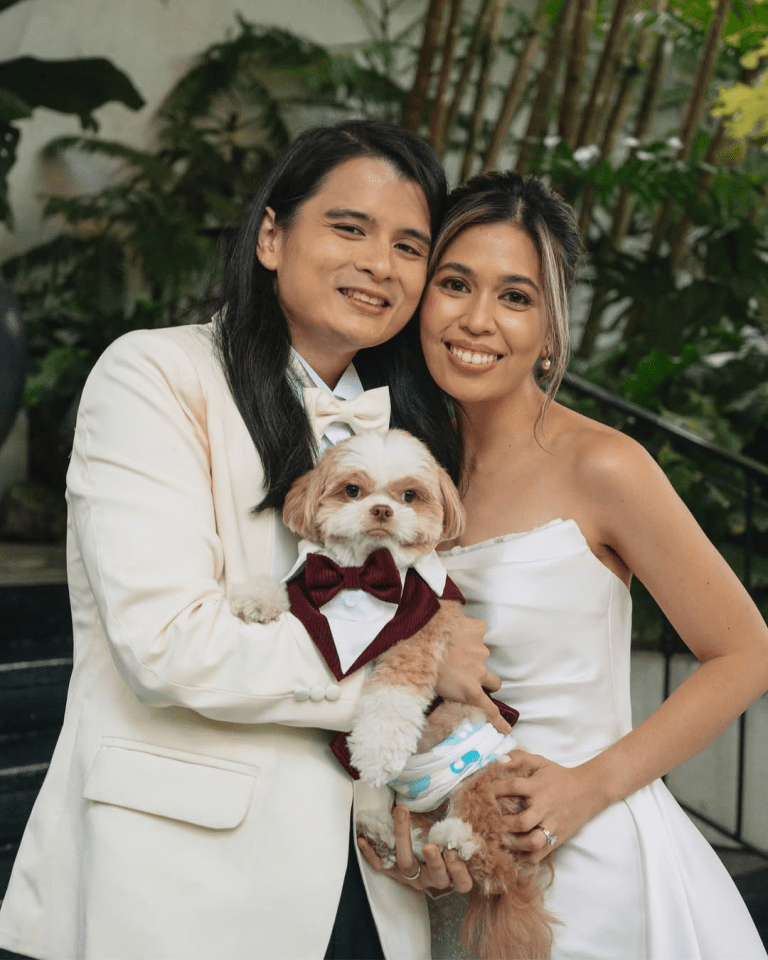
Celebrity relationships and milestone moments in the Philippines have long functioned as public rituals that extend beyond private life. When high-profile figures like Kim Molina and Jerald Napoles reportedly move toward a dream beach wedding after a 12-year romance, the coverage signals more than a wedding announcement. It reveals how romance becomes a shared narrative that fans follow across TV, streaming, social media, and fan communities. In a market where endorsements, tours, and theater runs echo through every season, a couple’s journey can act as a narrative anchor that steadies a celebrity’s brand while widening their audience reach. The effect is multi-layered: it sustains conversation during off-peak entertainment months, drives engagement on long-form content and short-form clips, and provides material for sponsorships that align lifestyle aspirations with consumer products. For fans, the storyline offers a familiar arc—stability, devotion, and a celebration that feels accessible—while for industry players it translates into measurable engagement metrics, ticket sales, and cross-promotional opportunities.
Platform Dynamics: Watching, Streaming, and Social Buzz
The Philippines’ entertainment ecosystem is increasingly a triad of broadcast, streaming, and social platforms. Audience attention now travels quickly between a TV clip, a TikTok moment, and a streaming episode featuring the same stars in different contexts. This fluidity makes every celebrity move more translatable into monetizable content. Producers and platforms curate micro-stories to ride the crest of online conversation: a wedding photo, a guest list reveal, or a location drop can spark algorithms to surface related videos, interviews, and behind-the-scenes footage. Local fans consume content in a mix of Filipino dialects and English, often preferring mobile-first formats that maximize shareability. In this environment, platform shifts—NPOs and independent producers embracing direct-to-consumer releases, or talent agencies partnering with streaming services—change the economics of fame. A milestone event thus becomes both a personal life milestone and a scalable asset that feeds trending topics, drive-time conversations, and brand collaborations that extend beyond the original event.
Publicity Mechanics: Weddings, Milestones, and Brand Synergy
Publicity strategies around personal milestones are increasingly sophisticated, with management teams choreographing appearances, interviews, and charity tie-ins to create a cohesive brand narrative. Weddings and family milestones are not isolated moments; they are open invitations to collaborations—fashion, cosmetics, travel, and experiences—that build a lifestyle ecosystem around a celebrity. The careful calibration of what to share, when to share it, and how to respond to audience feedback shapes perception in real time. This approach can positively shift a star’s market value when executed with authenticity, offering fans a sense of intimacy without eroding privacy. Yet it can also backfire if the cadence of disclosures appears opportunistic or if sponsorships overshadow personal storytelling. The Philippine press ecosystem, with its robust fan culture and close ties to local showbiz, amplifies both the benefits and the risks of such branding, making transparency and timing essential components of sustainable publicity strategies.
Policy and Cultural Context: Privacy, Press, and the Filipino Audience
Ethical considerations and cultural norms inform how entertainment outlets cover celebrity milestones in the Philippines. A public life will always invite scrutiny, but responsible reporting requires verification, context, and a respect for the individuals involved. The Filipino audience values warmth, family orientation, and relatable storytelling, which means that coverage that foregrounds these elements tends to resonate more deeply than sensationalist snippets. Media outlets, talent managers, and brands operate within a web of expectations about consent, privacy, and fairness. As the industry leans into data-driven storytelling, it must also uphold standards that protect against misrepresentation and exploitative framing. This balance is particularly salient when milestones involve family members or intimate details that could affect a star’s career trajectory or personal life. The future of entertainment in the Philippines will hinge on how well studios, publishers, and creators align ambitious branding with ethical storytelling and cultural sensitivity.
Actionable Takeaways
- Media outlets should implement fact-checking and contextual framing for celebrity milestones, ensuring that coverage respects privacy and avoids sensationalism.
- Brands and talent teams ought to align milestone-driven campaigns with authentic storytelling, prioritizing consent and fan trust over purely transactional partnerships.
- Content creators should diversify formats across platforms to optimize engagement while safeguarding personal boundaries and audience expectations.
- Platform ecosystems should emphasize transparency in sponsorship disclosures and collaborate with regulators to promote responsible advertising within pop culture narratives.
- Philippine audiences can benefit from media literacy that helps distinguish entertainment narratives from private life, fostering a healthier media environment.